


You have just had your brows done and they look incredible right now. What you do in the next ten days will determine whether that result holds, fades beautifully, or ends up patchy and uneven. This guide walks you through exactly what to do each day, what to avoid, and why it matters for your pigment retention and skin recovery.
What is actually happening under the skin during healing
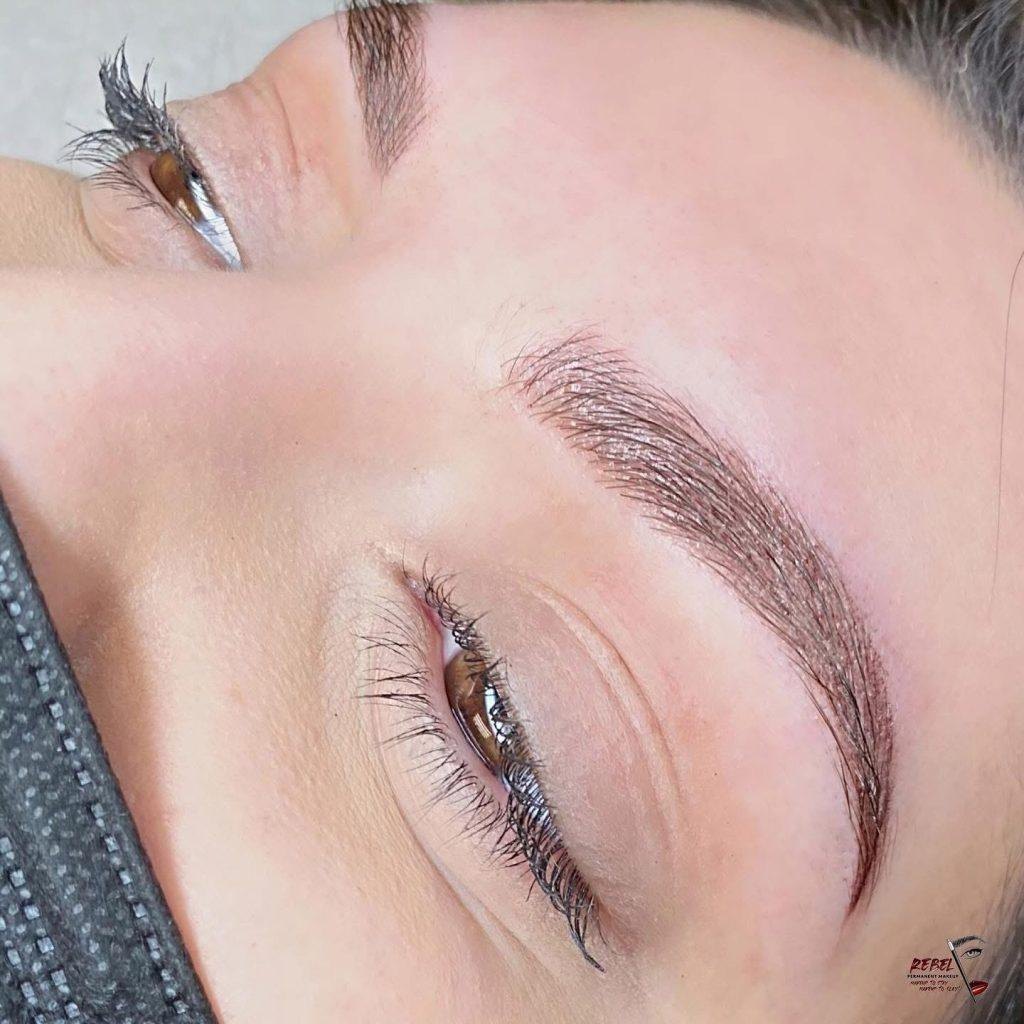
Hairstroke brows are a form of cosmetic tattooing. Pigment is placed into the upper layers of the dermis using fine, hair-like strokes to create the appearance of natural brow hairs. Your skin responds to that process as it would to any controlled wound: it seals, scabs lightly, and regenerates.
During that regeneration, some pigment is expelled. This is completely normal. You will typically lose 30 to 50 per cent of the initial colour intensity during healing, which is why the result looks so dramatic on day one and so natural at week six. That lightening is not failure; it is the process working as it should.
What aftercare does is protect the pigment that has already settled while your skin closes over it. Interfere with that process and you risk pulling pigment out prematurely, introducing bacteria, or creating scar tissue that will not hold colour evenly at your touch-up appointment.
The day-by-day aftercare breakdown
Day 1: Your brows will look dark, defined, and slightly swollen. That is normal. Gently blot any lymph fluid that weeps from the area using a clean, dry cotton pad. Do not apply water, cream, or anything else unless your artist has specifically instructed otherwise. Let the skin breathe.
Days 2 to 4: The skin begins to tighten. A very thin, flaky layer will start to form over the strokes. This is the phase where most people panic and reach for the moisturiser. Do not. Over-moisturising at this stage is one of the most common aftercare mistakes. Applying too much product too soon creates a moist environment that lifts pigment out of the skin before it has had a chance to anchor. If your artist has prescribed a specific healing balm, apply the thinnest possible layer, no more than twice a day, using a clean cotton bud.
Days 5 to 7: The flaking intensifies. The strokes may look faded, patchy, or even appear to have disappeared in places. This is the stage that sends many people into a panic, convinced something has gone wrong. It has not. The skin is still healing beneath the surface. Do not pick, peel, or rub the flaking skin. Removing it manually pulls pigment with it and can create gaps in the finished result that even a touch-up cannot fully correct.
Days 8 to 10: Most of the surface flaking has resolved. The brows may look very light, almost ghostly in places. Resist the urge to judge the result at this point. The colour that appears to have vanished is still present in the deeper layers of the skin and will resurface as healing completes.
Weeks 2 to 6: The skin continues to regenerate and the pigment gradually clarifies. Colour depth returns progressively. At around the four to six week mark, what you see is the settled, healed result. This is when your touch-up appointment is typically scheduled, and it is where any sparse areas are refined and the shape is confirmed.
The aftercare mistakes that quietly ruin results
Picking is the most damaging mistake, but it is not the only one. Sun exposure is a close second. UV light breaks down pigment, and exposing freshly treated skin to direct sun during the first ten days causes fading before the colour has even settled. Once healed, continued sun exposure without SPF will accelerate how quickly the result lightens over time, shortening the interval before you need a colour refresh.
Sweat is another factor people underestimate. High-intensity exercise, saunas, steam rooms, and anything that raises your core body temperature significantly should be avoided for at least seven to ten days. Sweat is slightly acidic and can draw pigment out of the skin in the same way water does.
Makeup directly on the brows is not advisable during active healing. Foundation, brow pencil, brow gel: all of these introduce bacteria to an area that is effectively an open wound. Wait until the surface has fully settled before applying anything cosmetic over the treated skin.
Finally, skincare products containing exfoliating acids, retinol, or vitamin C should be kept away from the brow area indefinitely if you want your result to last. These ingredients accelerate cell turnover, which is beneficial for the skin generally but actively degrades cosmetic tattoo pigment over time. If you use actives in your routine, apply them carefully and avoid the brow zone.
What good aftercare means for long-term longevity
People often ask how long hairstroke brows last, and the honest answer is that it depends significantly on how well the skin is cared for both during and after healing. With proper aftercare and sensible ongoing maintenance, most clients see results that hold well for one to two years before a colour refresh is needed. Oily skin types and those who spend a lot of time outdoors typically refresh sooner; drier skin types often retain pigment longer.
Protecting your investment long-term means wearing SPF over the brow area daily once healed, continuing to avoid harsh exfoliants in that zone, and returning for a touch-up appointment at the six to eight week mark to refine the result. Skipping that first touch-up is a common mistake. It is not optional maintenance; it is where the technique is completed on healed skin.
Follow the process properly and your brows will reward you with a natural, effortless look that genuinely holds up over time.